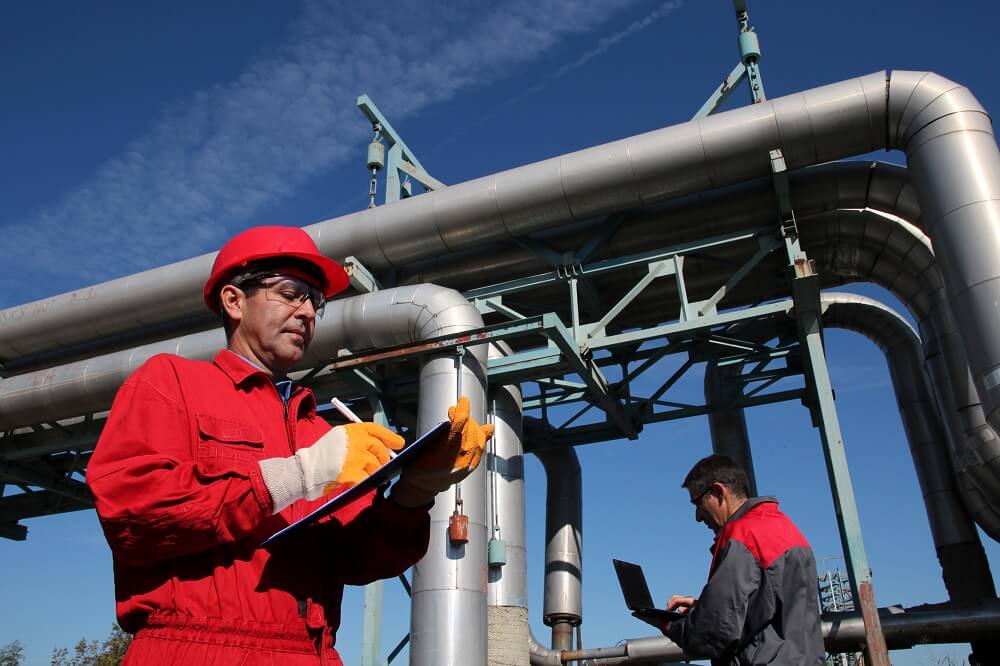
Environmental compliance has become one of the most critical operational priorities in the oil and gas sector. Regulatory requirements continue to evolve as governments, environmental agencies, investors, and communities demand greater accountability from energy companies. Organizations that fail to meet environmental standards can face substantial fines, operational disruptions, legal liabilities, and reputational damage.
Managing environmental compliance manually is becoming increasingly difficult due to the volume of regulations, reporting obligations, inspections, audits, and environmental performance metrics that must be tracked. As a result, many companies are turning to environmental compliance software to streamline processes, improve data accuracy, and reduce compliance risks.
Modern environmental compliance platforms help organizations monitor environmental performance, manage regulatory obligations, automate reporting, and support sustainability initiatives. These solutions have become essential tools for upstream, midstream, and downstream oil and gas operations seeking to maintain compliance while improving operational efficiency.
Understanding Environmental Compliance Software
Environmental compliance software is a digital platform designed to help organizations manage environmental regulations, monitor environmental performance, and document compliance activities.
The software centralizes environmental data from multiple sources and provides tools for tracking permits, inspections, emissions, incidents, corrective actions, and reporting requirements.
Instead of relying on spreadsheets and manual processes, companies can use a single system to oversee environmental programs across multiple facilities and operational regions.
Common areas managed by environmental compliance software include:
- Air emissions monitoring
- Water management
- Waste tracking
- Chemical management
- Environmental inspections
- Regulatory reporting
- Incident management
- Sustainability reporting
- ESG performance monitoring
By consolidating these functions into a centralized platform, organizations gain better visibility and control over compliance activities.
Why Environmental Compliance Matters in Oil and Gas
The oil and gas industry operates under extensive environmental regulations due to the potential impacts of exploration, production, transportation, refining, and distribution activities.
Environmental incidents can result in:
- Regulatory fines
- Cleanup expenses
- Legal actions
- Permit restrictions
- Production shutdowns
- Investor concerns
- Public opposition
Governments around the world continue to strengthen environmental standards related to emissions, water usage, waste disposal, methane management, and ecosystem protection.
At the same time, investors increasingly evaluate companies based on environmental, social, and governance (ESG) performance.
Environmental compliance software helps organizations address these challenges by creating structured, transparent, and auditable compliance processes.
Key Features of Environmental Compliance Software
Modern environmental compliance platforms offer a wide range of capabilities that support both regulatory compliance and sustainability objectives.
Regulatory Tracking
Keeping up with changing regulations can be difficult, especially for organizations operating across multiple jurisdictions.
Environmental compliance software helps track:
- Regulatory updates
- Permit requirements
- Reporting deadlines
- Inspection schedules
- Compliance obligations
Automated notifications ensure that important deadlines and regulatory changes do not go unnoticed.
Environmental Data Management
Environmental programs generate large amounts of data from monitoring systems, inspections, field reports, and operational activities.
The software provides centralized storage for:
- Emissions data
- Water quality records
- Waste management information
- Monitoring results
- Environmental assessments
Centralized data management improves consistency and reduces the likelihood of errors.
Automated Reporting
Regulatory reporting is often one of the most time-consuming aspects of environmental compliance.
Environmental compliance software can automate the preparation of reports required by regulators and internal stakeholders.
Automated reporting helps organizations:
- Improve data accuracy
- Reduce manual work
- Meet submission deadlines
- Maintain audit-ready documentation
This capability significantly reduces administrative burden while improving reporting quality.
Incident Management
Environmental incidents must be documented, investigated, and resolved efficiently.
Software platforms often include incident management modules that allow organizations to:
- Record incidents
- Track investigations
- Assign corrective actions
- Monitor resolution progress
- Generate incident reports
Structured workflows ensure that incidents are handled consistently and transparently.
Audit and Inspection Management
Regular audits and inspections play an important role in maintaining compliance.
Environmental compliance software helps organizations schedule inspections, document findings, assign corrective actions, and track completion status.
This functionality creates a clear audit trail that supports regulatory reviews and internal assessments.
Supporting Air Emissions Compliance
Air emissions management has become a major focus for regulators and industry stakeholders.
Oil and gas facilities often monitor emissions from:
- Flares
- Compressors
- Storage tanks
- Processing equipment
- Combustion systems
- Methane sources
Environmental compliance software helps organizations collect, analyze, and report emissions data more efficiently.
Automated emissions tracking reduces reporting errors and provides greater visibility into environmental performance.
Many organizations use these platforms to support greenhouse gas reduction initiatives and long-term sustainability goals.
Managing Water Resources More Effectively
Water management is another critical environmental responsibility in the oil and gas industry.
Operations frequently involve:
- Produced water management
- Wastewater treatment
- Groundwater protection
- Surface water monitoring
- Water discharge compliance
Environmental compliance software helps organizations track water usage, monitor discharge quality, and maintain records required by environmental regulations.
Real-time monitoring capabilities can also help identify issues before they become significant compliance concerns.
Improving Waste Management Processes
Oil and gas operations generate various types of waste that must be managed according to environmental regulations.
Examples include:
- Hazardous waste
- Industrial waste
- Drilling waste
- Chemical waste
- Contaminated materials
Environmental compliance software enables organizations to document waste generation, transportation, storage, treatment, and disposal activities.
Accurate waste tracking supports regulatory compliance and helps reduce environmental risks.
Enhancing ESG Reporting and Sustainability Initiatives
Environmental, social, and governance reporting has become increasingly important for publicly traded energy companies.
Investors, lenders, and stakeholders often evaluate organizations based on their sustainability performance.
Environmental compliance software supports ESG initiatives by providing reliable data for:
- Carbon emissions reporting
- Sustainability disclosures
- Environmental performance metrics
- Climate-related reporting
- Corporate responsibility programs
A centralized reporting system improves transparency and strengthens stakeholder confidence.
Benefits of Environmental Compliance Software
Organizations that implement environmental compliance software often experience significant operational and compliance improvements.
Reduced Compliance Risk
Automated tracking and reporting help minimize the likelihood of missed deadlines, documentation errors, and regulatory violations.
Improved Data Accuracy
Centralized data management reduces duplication and improves information consistency across departments.
Greater Operational Efficiency
Automation eliminates many repetitive administrative tasks, allowing environmental teams to focus on higher-value activities.
Better Decision-Making
Real-time access to environmental data supports faster and more informed decision-making.
Stronger Regulatory Relationships
Well-organized documentation and reporting processes improve communication with regulatory agencies and inspectors.
Integration with Existing Operational Systems
Modern environmental compliance software often integrates with other enterprise technologies.
Common integrations include:
- Enterprise resource planning systems
- Asset management platforms
- Environmental monitoring systems
- Geographic information systems
- Maintenance management software
- Industrial control systems
Integrated data flows improve visibility and eliminate many manual data entry requirements.
Organizations benefit from a more complete understanding of environmental performance across operations.
The Role of Artificial Intelligence in Compliance Management
Artificial intelligence is increasingly being incorporated into environmental compliance platforms.
AI-powered tools can assist with:
- Predictive risk analysis
- Regulatory change monitoring
- Data validation
- Anomaly detection
- Compliance forecasting
Machine learning algorithms can identify patterns that may indicate emerging compliance risks before violations occur.
As technology continues to advance, AI is expected to become an increasingly important component of environmental management systems.
Selecting the Right Environmental Compliance Software
Choosing the best solution requires careful consideration of organizational needs and operational complexity.
Several factors should be evaluated during the selection process.
Industry Experience
Software providers with experience in oil and gas operations typically offer more relevant functionality and regulatory expertise.
Scalability
The platform should support future growth and accommodate expanding operational requirements.
Reporting Capabilities
Strong reporting functionality is essential for meeting regulatory and ESG obligations.
User Accessibility
A user-friendly interface improves adoption and encourages consistent system usage.
Cloud and Mobile Support
Cloud-based access and mobile functionality provide greater flexibility for field personnel and remote teams.
Security Features
Environmental data must be protected through strong cybersecurity controls, user permissions, and secure data storage practices.
Future Trends in Environmental Compliance Technology
Several technological trends are expected to shape the future of environmental compliance management.
Cloud-based platforms will continue to gain popularity due to their flexibility and scalability.
Internet of Things sensors will expand real-time environmental monitoring capabilities.
Artificial intelligence will improve predictive analytics and compliance forecasting.
Automation will further reduce manual reporting requirements.
Advanced analytics will provide deeper insights into environmental performance and operational risks.
These innovations will help organizations achieve greater efficiency while maintaining high compliance standards.
Environmental compliance software has become an essential component of modern oil and gas operations. As regulatory requirements grow more complex and sustainability expectations continue to rise, organizations need reliable systems to manage environmental responsibilities effectively.
By centralizing environmental data, automating reporting processes, supporting ESG initiatives, and improving regulatory oversight, environmental compliance software helps companies reduce risk while enhancing operational performance.
Organizations that invest in robust compliance technology are better equipped to meet regulatory expectations, protect the environment, strengthen stakeholder trust, and achieve long-term business success in an increasingly demanding industry landscape.