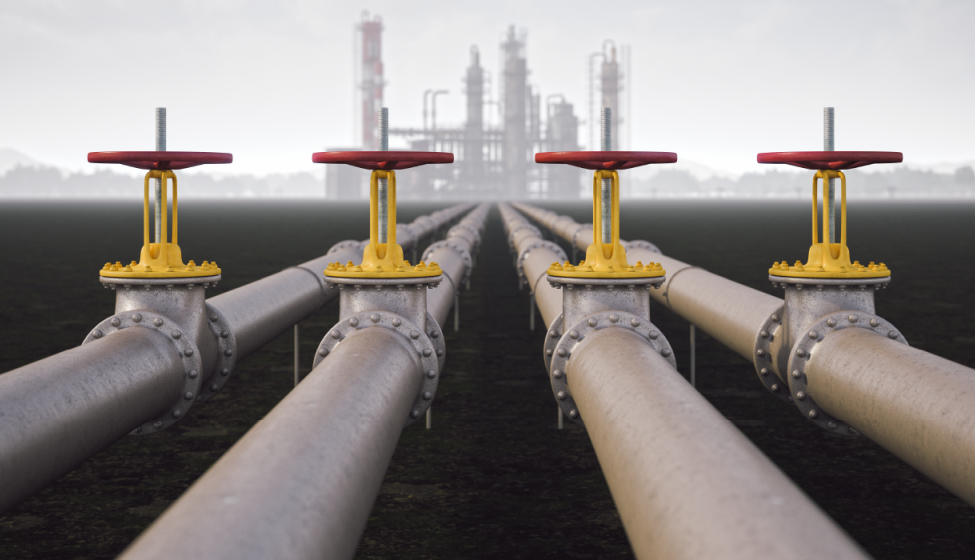
Pipeline infrastructure serves as the backbone of the global energy industry. Millions of miles of pipelines transport crude oil, natural gas, refined petroleum products, and other energy resources every day. These systems play a critical role in ensuring reliable energy delivery, supporting economic growth, and maintaining operational continuity across the oil and gas sector.
As pipeline networks expand and age, operators face increasing challenges related to safety, regulatory compliance, environmental protection, and asset reliability. Even a minor defect can lead to costly incidents, production disruptions, environmental damage, and regulatory penalties. For this reason, pipeline integrity management has become one of the most important priorities for modern energy operators.
Pipeline integrity management solutions provide organizations with the tools needed to assess risks, monitor asset conditions, detect potential failures, and maintain safe operations throughout the lifecycle of pipeline infrastructure. By combining advanced technologies, data analytics, and predictive maintenance strategies, these solutions help operators reduce risk while improving operational efficiency.
Understanding Pipeline Integrity Management
Pipeline integrity management refers to the systematic process of ensuring that pipelines operate safely, reliably, and in compliance with applicable regulations.
The objective is to identify potential threats before they lead to failures and implement corrective measures that maintain asset integrity over time.
A comprehensive integrity management program typically includes:
- Risk assessment
- Corrosion monitoring
- Leak detection
- Inline inspection analysis
- Maintenance planning
- Regulatory reporting
- Incident investigation
- Asset performance monitoring
Modern integrity management solutions integrate these activities into a centralized platform, enabling operators to make informed decisions based on real-time and historical data.
Why Pipeline Integrity Matters
Pipeline failures can have significant consequences for energy companies and surrounding communities.
Potential impacts include:
- Environmental contamination
- Public safety incidents
- Product losses
- Operational downtime
- Regulatory enforcement actions
- Legal liabilities
- Reputational damage
As regulatory agencies increase oversight and stakeholders demand stronger environmental performance, operators must demonstrate a proactive approach to pipeline safety.
Integrity management solutions help organizations identify vulnerabilities early and address them before they escalate into serious incidents.
The Evolution of Integrity Management Technology
Traditional pipeline integrity programs often relied heavily on manual inspections, paper records, and periodic maintenance activities.
While these methods remain important, technological advancements have significantly improved the industry’s ability to monitor and manage pipeline health.
Modern solutions now leverage:
- Real-time monitoring systems
- Artificial intelligence
- Machine learning
- Internet of Things sensors
- Predictive analytics
- Geographic information systems
- Digital twin technology
These innovations enable organizations to detect problems earlier and make more accurate maintenance decisions.
Risk Assessment Platforms
Risk assessment is the foundation of any effective integrity management program.
Risk assessment solutions help operators evaluate threats based on factors such as:
- Corrosion activity
- Pipeline age
- Operating pressure
- Environmental conditions
- Population density
- Historical incident data
The software assigns risk scores to different pipeline segments, allowing organizations to prioritize inspections and maintenance activities where they are needed most.
This targeted approach improves resource allocation while reducing unnecessary expenditures.
Corrosion Monitoring Solutions
Corrosion remains one of the leading causes of pipeline failures worldwide.
Pipeline integrity management systems use advanced corrosion monitoring tools to track asset degradation and identify emerging risks.
Common monitoring technologies include:
- Corrosion sensors
- Wall thickness measurements
- Cathodic protection monitoring
- Internal corrosion analysis
- External corrosion assessments
Continuous monitoring enables operators to detect corrosion issues before structural integrity is compromised.
Early intervention can significantly reduce repair costs and prevent major failures.
Inline Inspection Data Management
Inline inspection tools, often referred to as smart pigs, are widely used to evaluate pipeline conditions.
These tools collect detailed information about:
- Metal loss
- Cracks
- Deformation
- Corrosion
- Mechanical damage
Modern integrity management solutions analyze and organize inspection results within centralized databases.
Advanced analytics help engineers identify trends, compare historical inspections, and prioritize corrective actions.
By transforming raw inspection data into actionable insights, organizations can make more effective maintenance decisions.
Leak Detection Systems
Leak detection is a critical component of pipeline integrity management.
Modern leak detection solutions use sophisticated algorithms to identify anomalies in operational data.
The systems continuously monitor:
- Pressure levels
- Flow rates
- Temperature variations
- Product inventory balances
When unusual conditions are detected, alerts are generated for operators.
Rapid leak detection helps minimize environmental impacts, reduce product losses, and improve emergency response effectiveness.
Predictive Analytics Platforms
Predictive analytics has become one of the most valuable technologies in pipeline integrity management.
These platforms analyze large volumes of operational and historical data to identify patterns associated with equipment degradation and failure risks.
Predictive analytics can help operators:
- Forecast maintenance needs
- Identify high-risk assets
- Reduce unplanned downtime
- Improve inspection planning
- Optimize maintenance budgets
Instead of reacting to failures after they occur, organizations can take preventive action based on data-driven insights.
Real-Time Monitoring Systems
Continuous visibility into pipeline performance is essential for maintaining safe operations.
Real-time monitoring systems collect information from sensors and operational control systems throughout the pipeline network.
Key parameters often monitored include:
- Pressure
- Temperature
- Flow rates
- Vibration
- Valve status
- Equipment health
Operators receive immediate notifications when abnormal conditions occur, enabling faster responses to potential threats.
Real-time monitoring improves situational awareness and supports proactive risk management.
Geographic Information System Integration
Geographic Information Systems (GIS) play an increasingly important role in pipeline integrity management.
GIS platforms allow operators to visualize pipeline assets in relation to surrounding environmental and geographic features.
Benefits include:
- Improved asset mapping
- Enhanced risk analysis
- Better emergency response planning
- More efficient inspection scheduling
- Improved regulatory reporting
Spatial analysis capabilities help organizations understand how external factors may affect pipeline integrity.
Digital Twin Technology
Digital twin technology is transforming asset management across the energy sector.
A digital twin is a virtual representation of a physical pipeline system that continuously receives data from real-world operations.
This technology allows operators to:
- Simulate operating conditions
- Analyze performance scenarios
- Predict equipment behavior
- Evaluate maintenance strategies
Digital twins provide deeper insight into asset health and support more accurate decision-making.
As adoption grows, digital twins are expected to become a standard component of advanced integrity management programs.
Regulatory Compliance Management
Pipeline operators must comply with extensive regulatory requirements related to safety, environmental protection, and operational integrity.
Integrity management software simplifies compliance by automating many administrative processes.
Capabilities often include:
- Inspection tracking
- Maintenance documentation
- Audit preparation
- Regulatory reporting
- Corrective action management
Automated workflows help organizations maintain accurate records and demonstrate compliance during regulatory reviews.
This reduces administrative burden while lowering compliance risks.
Asset Performance Management Integration
Many organizations integrate pipeline integrity solutions with broader asset performance management systems.
This integration creates a more comprehensive view of infrastructure health and operational performance.
Benefits include:
- Improved maintenance planning
- Better resource allocation
- Enhanced reliability analysis
- Stronger risk management
- Reduced operating costs
A unified approach enables organizations to align integrity management with overall business objectives.
Cybersecurity and Pipeline Integrity
As pipeline operations become increasingly digital, cybersecurity has emerged as a critical concern.
Integrity management systems often connect with operational technologies, control systems, and cloud-based platforms.
To protect critical infrastructure, organizations should implement:
- Multi-factor authentication
- Access controls
- Network segmentation
- Data encryption
- Continuous security monitoring
Strong cybersecurity practices help maintain system reliability and support regulatory compliance.
Benefits of Modern Pipeline Integrity Management Solutions
Organizations that invest in advanced integrity management technologies often achieve significant operational improvements.
Key benefits include:
Improved Safety
Early identification of risks reduces the likelihood of incidents and enhances workforce protection.
Reduced Environmental Risk
Rapid detection and mitigation of issues help prevent environmental damage.
Lower Maintenance Costs
Predictive maintenance strategies reduce emergency repairs and optimize maintenance spending.
Increased Asset Reliability
Continuous monitoring improves equipment performance and operational stability.
Stronger Regulatory Compliance
Automated documentation and reporting support compliance efforts and simplify audits.
Enhanced Operational Efficiency
Data-driven decision-making enables more effective resource allocation and maintenance planning.
Selecting the Right Integrity Management Solution
Choosing the best pipeline integrity management platform requires careful evaluation of operational needs.
Important considerations include:
Scalability
The solution should accommodate future expansion and increasing data volumes.
Integration Capabilities
Compatibility with existing operational systems is essential for maximizing value.
Analytics Features
Advanced analytics improve predictive capabilities and support better decision-making.
User Experience
A user-friendly interface promotes adoption and operational efficiency.
Industry Expertise
Vendors with extensive pipeline experience often provide more effective solutions and support.
Future Trends in Pipeline Integrity Management
Several emerging technologies are expected to shape the future of pipeline integrity management.
Artificial intelligence will continue improving predictive maintenance accuracy and anomaly detection capabilities.
Internet of Things devices will provide more detailed operational data from field assets.
Cloud-based platforms will enhance scalability and accessibility.
Autonomous inspection technologies, including drones and robotic systems, will reduce inspection costs while improving data collection.
Digital twins will become increasingly sophisticated, enabling operators to model complex operational scenarios with greater precision.
These innovations will help organizations further improve safety, reliability, and cost efficiency.
Pipeline integrity management has evolved from a regulatory requirement into a strategic business function that directly influences safety, operational performance, and financial outcomes.
Modern integrity management solutions provide energy operators with the tools needed to identify risks, monitor asset health, optimize maintenance activities, and maintain compliance in an increasingly demanding operating environment.
By leveraging technologies such as predictive analytics, real-time monitoring, digital twins, GIS integration, and advanced leak detection systems, organizations can significantly reduce risk while improving operational efficiency.
As pipeline infrastructure continues to age and regulatory expectations become more stringent, companies that invest in advanced pipeline integrity management solutions will be better positioned to protect critical assets, maintain public trust, and achieve long-term operational success.