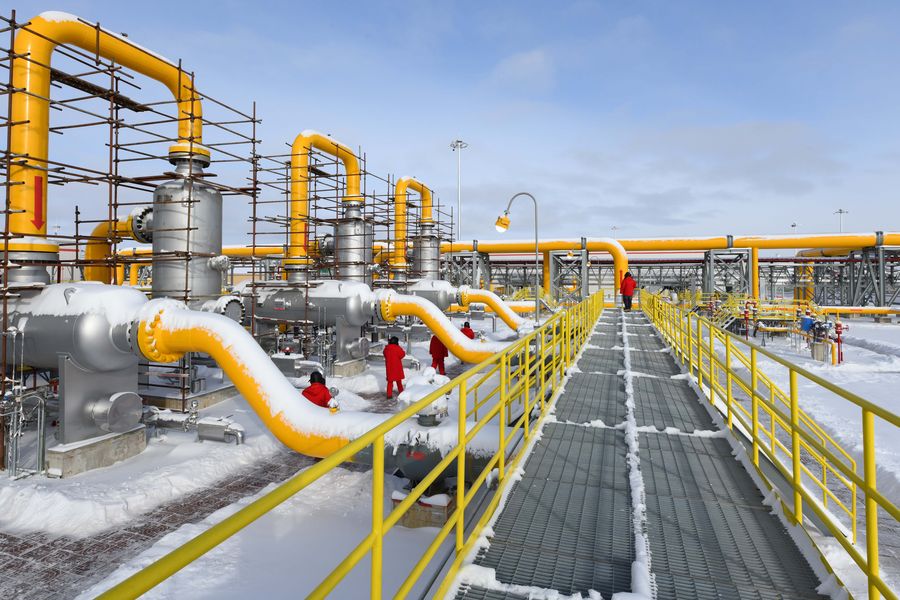
The oil and gas industry depends on reliable monitoring, automation, and operational control to maintain safety, efficiency, and profitability. From upstream drilling operations to midstream transportation networks and downstream refining facilities, companies manage vast amounts of data generated by thousands of assets operating in real time.
As digital transformation continues to reshape the energy sector, Supervisory Control and Data Acquisition (SCADA) software has become a critical component of modern industrial operations. SCADA platforms enable organizations to collect data from field equipment, monitor operational conditions, automate processes, and respond quickly to potential issues before they escalate into costly disruptions.
In 2026, the demand for advanced SCADA software continues to grow as oil and gas companies seek greater operational visibility, stronger cybersecurity, improved regulatory compliance, and more effective asset management. Selecting the right SCADA solution can significantly impact productivity, reliability, and long-term business performance.
This guide explores the role of SCADA software in the oil and gas industry, key features to evaluate, and the leading solutions that energy operators should consider.
What Is SCADA Software?
SCADA stands for Supervisory Control and Data Acquisition. It is a software and hardware system that enables organizations to monitor and control industrial processes from centralized locations.
A SCADA system typically collects data from:
- Sensors
- Remote terminal units (RTUs)
- Programmable logic controllers (PLCs)
- Flow meters
- Pumps
- Compressors
- Valves
- Pipeline equipment
- Storage facilities
The software processes this information and displays it through dashboards, alarms, reports, and visualization tools that help operators make informed decisions.
SCADA systems allow companies to monitor large infrastructure networks in real time while maintaining operational control over critical assets.
Why SCADA Is Essential for Oil and Gas Operations
Oil and gas operations often span large geographic regions and involve complex equipment that must operate continuously under demanding conditions.
Without centralized monitoring, organizations may struggle to detect equipment failures, pressure anomalies, leaks, or operational inefficiencies.
SCADA software helps address these challenges by providing:
- Real-time operational visibility
- Automated process control
- Faster incident response
- Improved asset utilization
- Enhanced safety management
- Better regulatory compliance
The ability to monitor and manage assets remotely has become increasingly valuable as companies seek to improve efficiency while reducing operational costs.
Key Features to Look for in SCADA Software
Not all SCADA platforms offer the same capabilities. Organizations should carefully evaluate features that align with their operational requirements.
Real-Time Monitoring
Real-time monitoring is the foundation of every SCADA system.
Operators should be able to view:
- Pressure levels
- Flow rates
- Temperature readings
- Equipment status
- Production metrics
- Pipeline conditions
Immediate access to operational data allows organizations to identify issues before they affect production.
Alarm Management
Advanced alarm systems help operators respond quickly to abnormal conditions.
Effective alarm management includes:
- Priority-based notifications
- Custom alarm thresholds
- Event tracking
- Historical alarm analysis
A well-designed alarm system reduces response times and improves operational safety.
Data Historian Capabilities
Data historians store large volumes of operational data for future analysis.
Historical information supports:
- Trend analysis
- Performance benchmarking
- Compliance reporting
- Predictive maintenance initiatives
Organizations can use historical data to identify recurring issues and improve decision-making.
Remote Access
Modern oil and gas operations often require remote visibility across multiple sites.
Remote access functionality enables authorized personnel to monitor assets from:
- Control centers
- Field locations
- Mobile devices
- Remote offices
This capability improves flexibility and operational responsiveness.
Cybersecurity Features
As industrial networks become increasingly connected, cybersecurity is more important than ever.
SCADA software should include:
- User authentication
- Access controls
- Data encryption
- Audit logs
- Security monitoring
Strong cybersecurity measures help protect critical infrastructure from emerging threats.
Leading SCADA Software Solutions for Oil and Gas Companies
Several SCADA platforms continue to dominate the industrial automation market due to their reliability, scalability, and industry-specific capabilities.
AVEVA System Platform
AVEVA remains one of the most recognized names in industrial automation and SCADA technology.
The platform offers:
- Real-time operational monitoring
- Advanced visualization tools
- Asset performance analytics
- Industrial reporting
- Cloud integration capabilities
Oil and gas operators frequently choose AVEVA because of its scalability and ability to manage complex industrial environments.
Ignition by Inductive Automation
Ignition has gained significant popularity due to its flexibility and modern architecture.
Key advantages include:
- Unlimited licensing model
- Web-based deployment
- Cross-platform compatibility
- Strong integration capabilities
- Industrial IoT support
Many organizations appreciate Ignition’s ability to scale across large operations while maintaining cost efficiency.
Siemens WinCC
Siemens WinCC remains a trusted solution for industrial process control and monitoring.
The platform provides:
- Advanced visualization
- Comprehensive reporting
- High reliability
- Integration with Siemens automation technologies
- Strong cybersecurity features
WinCC is widely used in large-scale industrial operations requiring robust performance.
GE Digital iFIX
GE Digital iFIX has a long history in industrial automation.
Its capabilities include:
- Process visualization
- Alarm management
- Historical data collection
- Operational analytics
- Regulatory reporting support
The platform is particularly well suited for organizations seeking proven reliability and mature functionality.
EcoStruxure by Schneider Electric
EcoStruxure combines SCADA functionality with advanced energy management and industrial automation capabilities.
Benefits include:
- Cloud connectivity
- Predictive analytics
- Energy optimization
- Real-time monitoring
- Enterprise integration
Many energy companies use EcoStruxure to support broader digital transformation initiatives.
SCADA and Pipeline Monitoring
Pipeline operators rely heavily on SCADA systems to maintain safe and efficient transportation networks.
SCADA software supports:
- Leak detection
- Pressure monitoring
- Flow management
- Valve control
- Emergency shutdown procedures
Real-time visibility enables operators to respond quickly to changing conditions and reduce operational risks.
As pipeline infrastructure expands, advanced monitoring capabilities become increasingly important for maintaining reliability and compliance.
SCADA and Asset Management Integration
Modern SCADA platforms often integrate with asset management software to provide deeper operational insights.
This integration allows organizations to:
- Track equipment health
- Monitor maintenance requirements
- Analyze performance trends
- Improve asset utilization
- Reduce maintenance costs
Combining operational and maintenance data creates a more comprehensive view of infrastructure performance.
The result is improved reliability and more efficient resource allocation.
Supporting Regulatory Compliance
Oil and gas companies operate under strict regulatory requirements related to safety, environmental protection, and operational integrity.
SCADA systems help support compliance efforts by:
- Recording operational data
- Maintaining audit trails
- Automating reporting processes
- Documenting incidents
- Supporting inspection programs
Accurate documentation and historical records simplify regulatory reviews and reduce compliance risks.
The Role of Artificial Intelligence in SCADA Systems
Artificial intelligence is transforming industrial automation.
AI-enhanced SCADA platforms can analyze operational data to identify patterns that may indicate:
- Equipment failures
- Production inefficiencies
- Safety risks
- Maintenance requirements
Machine learning algorithms continuously improve prediction accuracy as more data becomes available.
Organizations that adopt AI-powered SCADA solutions often achieve greater operational efficiency and cost savings.
Cloud-Based SCADA Solutions
Cloud technology continues to influence the future of industrial automation.
Cloud-based SCADA platforms offer several advantages:
- Reduced infrastructure costs
- Faster deployment
- Improved scalability
- Enhanced remote access
- Automatic software updates
Many organizations are adopting hybrid approaches that combine on-premise control systems with cloud-based analytics and reporting tools.
This strategy provides flexibility while maintaining operational security.
Benefits of Implementing Modern SCADA Software
Energy companies that invest in advanced SCADA solutions often experience substantial operational improvements.
Increased Operational Visibility
Real-time monitoring provides continuous insight into equipment and process performance.
Improved Safety
Automated alarms and rapid incident detection help prevent accidents and equipment failures.
Reduced Downtime
Early identification of issues allows maintenance teams to address problems before they disrupt operations.
Better Decision-Making
Access to accurate operational data supports more informed business decisions.
Lower Operating Costs
Automation and predictive maintenance initiatives help reduce labor and maintenance expenses.
Enhanced Asset Reliability
Continuous monitoring improves equipment performance and extends asset lifecycles.
How to Choose the Best SCADA Software
Selecting the right SCADA platform requires careful evaluation of organizational needs and long-term objectives.
Key considerations include:
Scalability
The system should accommodate future growth and expanding operational requirements.
Integration Capabilities
Compatibility with existing infrastructure and enterprise systems is essential.
User Experience
An intuitive interface improves adoption and operational efficiency.
Vendor Support
Reliable technical support and industry expertise are critical for long-term success.
Cybersecurity Readiness
Strong security features help protect operational technology environments from cyber threats.
Future Trends in SCADA Technology
Several emerging technologies are expected to shape the next generation of SCADA systems.
These include:
- Artificial intelligence-driven automation
- Digital twin technology
- Advanced predictive analytics
- Industrial Internet of Things integration
- Edge computing
- Autonomous operations
As these technologies mature, SCADA platforms will become even more intelligent, proactive, and capable of supporting complex industrial environments.
Companies that embrace these innovations will be better positioned to improve efficiency, reduce risk, and maintain competitiveness.
SCADA software has become an indispensable technology for modern oil and gas operations. By providing real-time monitoring, process automation, asset visibility, and advanced analytics, these platforms help organizations improve safety, reduce costs, and optimize operational performance.
Leading solutions such as AVEVA System Platform, Ignition, Siemens WinCC, GE Digital iFIX, and Schneider Electric EcoStruxure continue to set the standard for industrial automation in the energy sector.
As digital transformation accelerates across the industry, selecting the right SCADA platform is no longer simply a technology decision. It is a strategic investment that can influence operational reliability, regulatory compliance, cybersecurity readiness, and long-term profitability.
Organizations that implement advanced SCADA solutions today will be better prepared to meet the challenges and opportunities of the evolving energy landscape in 2026 and beyond.