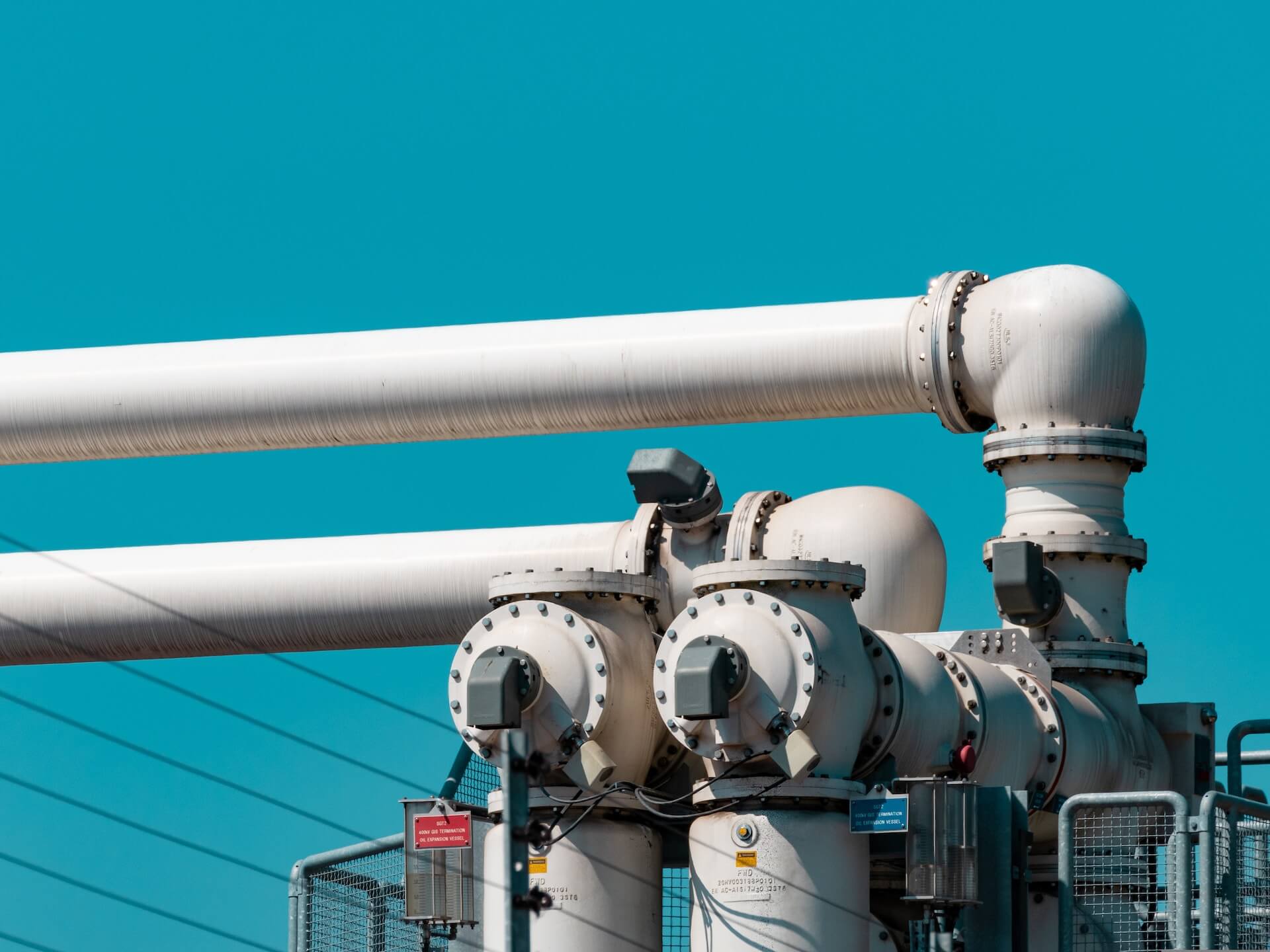
The oil and gas industry operates some of the most complex and critical infrastructure in the world. Pipelines transport millions of barrels of crude oil, natural gas, and refined products across vast distances every day. Any failure within these systems can result in environmental damage, financial losses, operational downtime, and significant regulatory consequences.
As pipeline networks continue to expand and regulatory requirements become more stringent, companies are increasingly investing in pipeline monitoring software to improve operational visibility, enhance safety, and maintain compliance. Modern monitoring platforms provide real-time insights into pipeline performance, allowing operators to detect anomalies early and respond before incidents escalate into serious problems.
This article explores how pipeline monitoring software works, its key features, benefits, and the role it plays in improving safety and regulatory compliance throughout the oil and gas industry.
Understanding Pipeline Monitoring Software
Pipeline monitoring software is a digital solution designed to collect, analyze, and visualize operational data from pipeline infrastructure. The software integrates with sensors, control systems, communication networks, and industrial automation platforms to provide continuous monitoring of pipeline conditions.
These systems track important variables such as:
- Pressure
- Flow rate
- Temperature
- Vibration
- Corrosion indicators
- Leak detection signals
- Valve status
- Equipment performance
By consolidating data from multiple sources into a centralized platform, operators gain a comprehensive view of pipeline health and operational status in real time.
Modern solutions often integrate with supervisory control and data acquisition (SCADA) systems, creating a unified environment for monitoring and decision-making.
Why Pipeline Safety Is a Growing Priority
Pipeline operators face increasing pressure to maintain high safety standards while ensuring efficient operations. Aging infrastructure, environmental concerns, and stricter regulations have made proactive monitoring more important than ever.
A pipeline failure can have severe consequences, including:
- Environmental contamination
- Public safety risks
- Regulatory penalties
- Legal liabilities
- Loss of production
- Damage to corporate reputation
Traditional inspection methods remain valuable but are often insufficient on their own. Periodic inspections may identify issues after they have already developed, whereas continuous monitoring software can detect abnormalities as they occur.
Real-time monitoring enables organizations to move from reactive maintenance strategies toward predictive and preventive approaches that significantly reduce risk.
Key Features of Modern Pipeline Monitoring Software
Advanced pipeline monitoring platforms offer a wide range of capabilities that help operators maintain safe and compliant operations.
Real-Time Data Monitoring
Real-time monitoring provides continuous visibility into pipeline conditions. Operators can observe system performance through dashboards that display live operational data.
Immediate access to information allows teams to identify unusual patterns and respond quickly when conditions deviate from normal operating parameters.
Leak Detection Systems
Leak detection is one of the most valuable capabilities within modern monitoring software.
Sophisticated algorithms analyze pressure, flow, and temperature data to identify potential leaks. Some systems can detect even minor losses that would be difficult to identify through manual inspection methods.
Early leak detection helps minimize environmental damage and reduces cleanup costs.
Predictive Analytics
Predictive analytics uses historical and real-time data to forecast potential failures before they occur.
Machine learning models can identify patterns associated with equipment degradation, corrosion development, or abnormal operating conditions.
This proactive approach allows maintenance teams to address issues before they lead to costly disruptions.
Automated Alerts and Notifications
Pipeline monitoring software can automatically notify personnel when predefined thresholds are exceeded.
Alerts may be delivered through:
- SMS
- Mobile applications
- Control room dashboards
Automated notifications ensure that critical events receive immediate attention regardless of the time or location.
Asset Performance Management
Many solutions include asset management capabilities that track the health and performance of critical equipment.
Operators can monitor:
- Pumps
- Compressors
- Valves
- Sensors
- Communication devices
This information supports more efficient maintenance planning and resource allocation.
The Role of SCADA Integration
SCADA systems have long served as the backbone of industrial control environments.
Pipeline monitoring software often integrates directly with SCADA infrastructure to create a more comprehensive operational picture.
The integration enables organizations to:
- Centralize operational data
- Improve visibility across assets
- Enhance incident response
- Reduce manual reporting
- Support automated decision-making
By combining monitoring software with SCADA technology, operators can achieve greater control over complex pipeline networks.
Improving Regulatory Compliance
Regulatory agencies worldwide require pipeline operators to demonstrate safe and responsible operations.
Compliance obligations often include:
- Continuous monitoring
- Incident reporting
- Leak detection programs
- Integrity management procedures
- Environmental protection measures
- Documentation and recordkeeping
Pipeline monitoring software helps organizations meet these requirements more effectively.
Automated data collection and reporting capabilities provide a reliable audit trail that can be used during inspections and regulatory reviews.
Instead of relying on manual documentation, companies can generate reports directly from operational data stored within the platform.
This improves accuracy while reducing administrative burden.
Supporting Pipeline Integrity Management Programs
Pipeline integrity management focuses on identifying, assessing, and mitigating risks throughout the lifecycle of a pipeline.
Monitoring software plays a critical role in supporting these programs by providing continuous insight into asset conditions.
Integrity management teams use monitoring data to:
- Identify high-risk segments
- Prioritize inspections
- Track corrosion activity
- Evaluate maintenance effectiveness
- Assess operational risks
Access to accurate and timely information enables more informed decision-making and stronger risk management practices.
Reducing Operational Costs
While safety and compliance are primary objectives, pipeline monitoring software can also generate significant cost savings.
Organizations often experience financial benefits through:
- Reduced unplanned downtime
- Lower maintenance costs
- Improved resource utilization
- Faster incident response
- Extended equipment lifespan
Predictive maintenance strategies are particularly valuable because they help avoid expensive emergency repairs.
Instead of replacing components based solely on age, operators can make maintenance decisions based on actual equipment condition.
This approach improves efficiency and reduces unnecessary expenditures.
Enhancing Environmental Protection
Environmental stewardship has become a major priority for energy companies, regulators, investors, and communities.
Pipeline monitoring software supports environmental protection initiatives by enabling rapid identification of potential hazards.
Key environmental benefits include:
- Early leak detection
- Reduced spill volumes
- Improved incident response
- Better emissions monitoring
- Enhanced reporting accuracy
The ability to detect and address issues quickly can significantly reduce environmental impact and demonstrate a company’s commitment to responsible operations.
The Importance of Remote Monitoring
Many pipelines operate in remote or difficult-to-access locations.
Traditional inspection methods can be time-consuming, expensive, and sometimes dangerous for personnel.
Remote monitoring technology enables operators to oversee assets from centralized control centers without requiring frequent site visits.
Benefits include:
- Improved workforce safety
- Reduced travel costs
- Faster access to operational data
- Enhanced situational awareness
- Better emergency response capabilities
Remote visibility has become increasingly important as pipeline networks expand across larger geographic regions.
Cybersecurity Considerations
As pipeline monitoring systems become more connected, cybersecurity has emerged as a critical concern.
Industrial networks are increasingly targeted by cyber threats that can disrupt operations and compromise sensitive data.
Modern monitoring platforms typically include cybersecurity features such as:
- Access controls
- User authentication
- Data encryption
- Network segmentation
- Security monitoring
- Audit logging
Organizations should ensure that any monitoring solution aligns with industry cybersecurity standards and best practices.
A strong cybersecurity strategy helps protect both operational continuity and regulatory compliance.
Choosing the Right Pipeline Monitoring Software
Selecting the right solution requires careful evaluation of operational requirements and business objectives.
Factors to consider include:
Scalability
The platform should support future growth and accommodate expanding pipeline networks.
Integration Capabilities
Software should integrate smoothly with existing systems, including SCADA platforms, enterprise resource planning systems, and maintenance management tools.
Analytics Features
Advanced analytics capabilities can provide greater insight into asset performance and risk management.
Regulatory Reporting
Automated compliance reporting can reduce administrative workload and improve audit readiness.
User Experience
An intuitive interface improves adoption and helps operators make faster decisions.
Vendor Support
Reliable technical support and industry expertise are essential for successful implementation and long-term operation.
Future Trends in Pipeline Monitoring Technology
The future of pipeline monitoring is being shaped by advances in digital technology.
Several trends are expected to influence the industry over the coming years.
Artificial intelligence will continue improving predictive maintenance accuracy and anomaly detection capabilities.
Cloud-based platforms will provide greater scalability and flexibility for organizations managing large infrastructure networks.
Internet of Things (IoT) devices will expand data collection capabilities through increasingly sophisticated sensor technologies.
Digital twins will allow operators to simulate pipeline performance and evaluate potential scenarios before implementing operational changes.
These innovations will help organizations further improve safety, reliability, and compliance while reducing operational costs.
Pipeline monitoring software has become an essential technology for modern oil and gas operations. By providing real-time visibility, predictive analytics, leak detection capabilities, and automated reporting tools, these platforms help organizations improve safety, reduce risk, and maintain regulatory compliance.
As regulatory expectations continue to evolve and infrastructure becomes increasingly complex, investment in advanced monitoring solutions is no longer simply a technological upgrade. It is a strategic decision that supports operational excellence, environmental responsibility, and long-term business sustainability.
Companies that adopt modern pipeline monitoring software are better positioned to protect critical assets, respond quickly to emerging risks, and meet the growing demands of regulators, stakeholders, and the communities they serve.